

Sustainable fashion: more than just a trend
When we talk about sustainable fashion today, it’s often framed as a modern movement. But across many cultures — particularly in Asia and Africa — sustainability in clothing has been a way of life for centuries. Recycling, upcycling, mending, and repairing garments were never trends; they were practical philosophies that valued resourcefulness, creativity, and respect for the craft of clothing.
Traditional clothing and zero-waste design
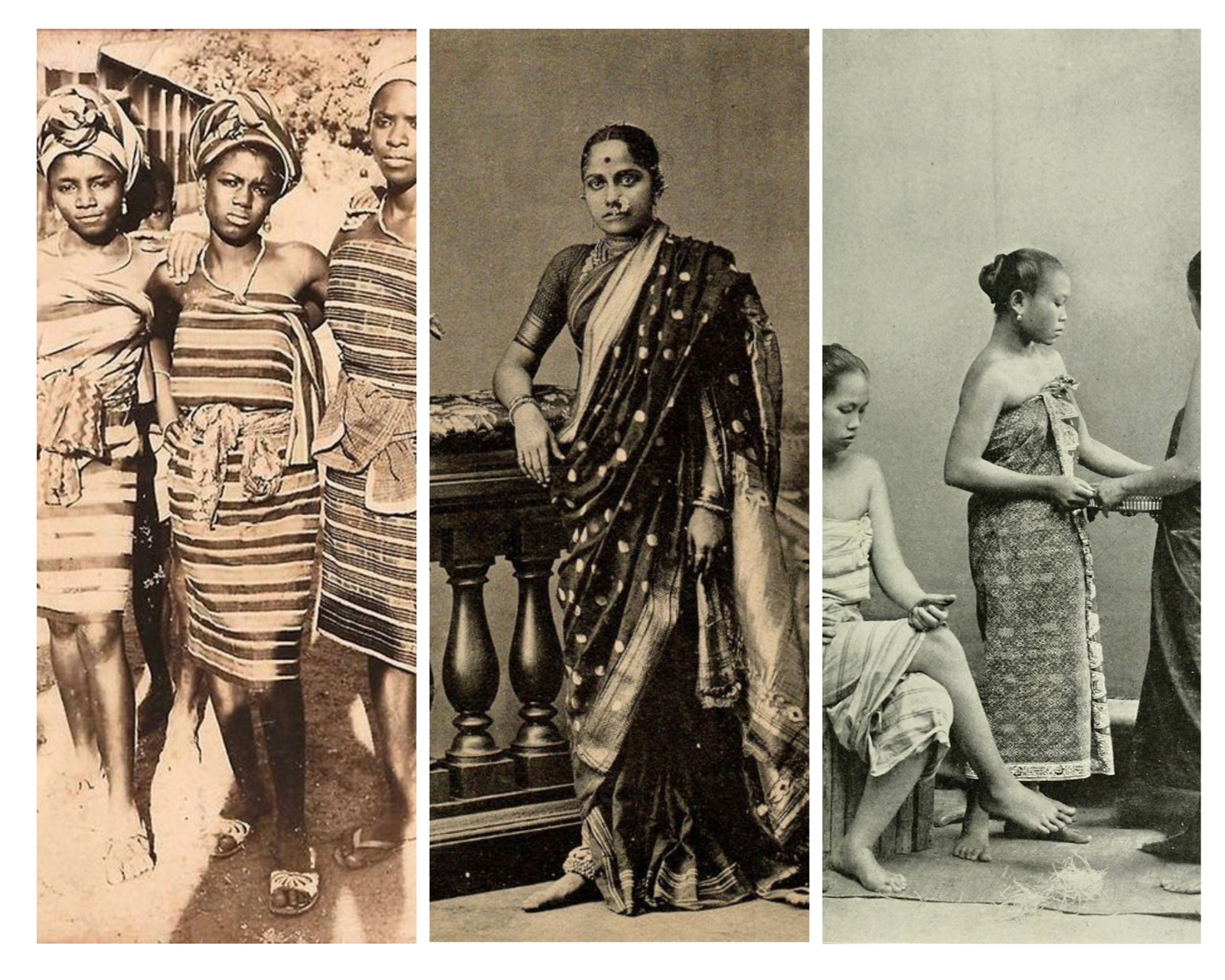
Traditional African and Asian attire goes even further. Many garments are inherently zero-waste in design, making full use of the fabric without cutting or discarding excess.
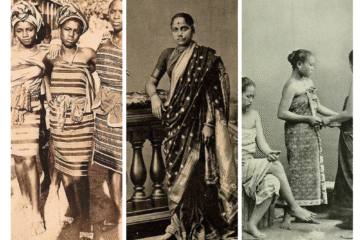
The Indian sari and Southeast Asian sarong, for example, are long unstitched fabrics draped in countless styles, allowing the same piece to serve multiple functions. Similarly, the African wrapper, worn across West and Central Africa, transforms a single piece of cloth into elegant attire through the art of folding and wrapping.
Culture, creativity, and sustainability
These garments are not just clothing — they are cultural stories, symbols of identity, and living proof that sustainable fashion is not new. Long before it became a buzzword, communities around the world were already practicing mindful, waste-free approaches to dressing.
Why it matters today
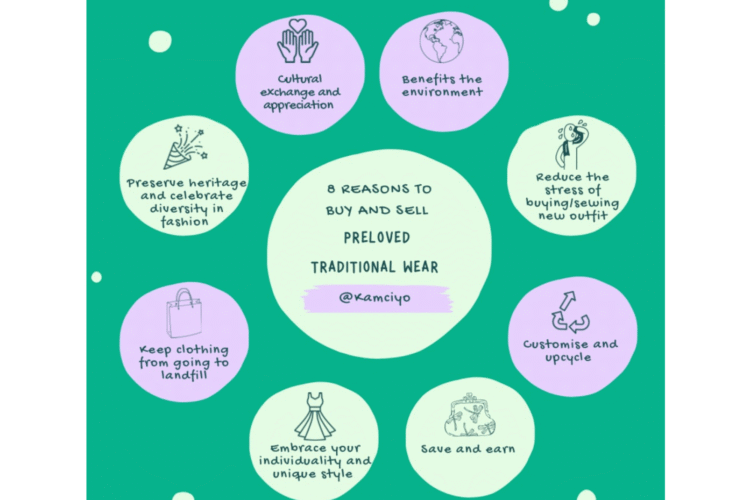
Modern sustainable fashion can learn a lot from these traditions. By looking back at centuries-old practices, we’re reminded that clothing can be both beautiful and responsible — without excess waste. Today’s movement is, in many ways, a return to values our ancestors never abandoned.
